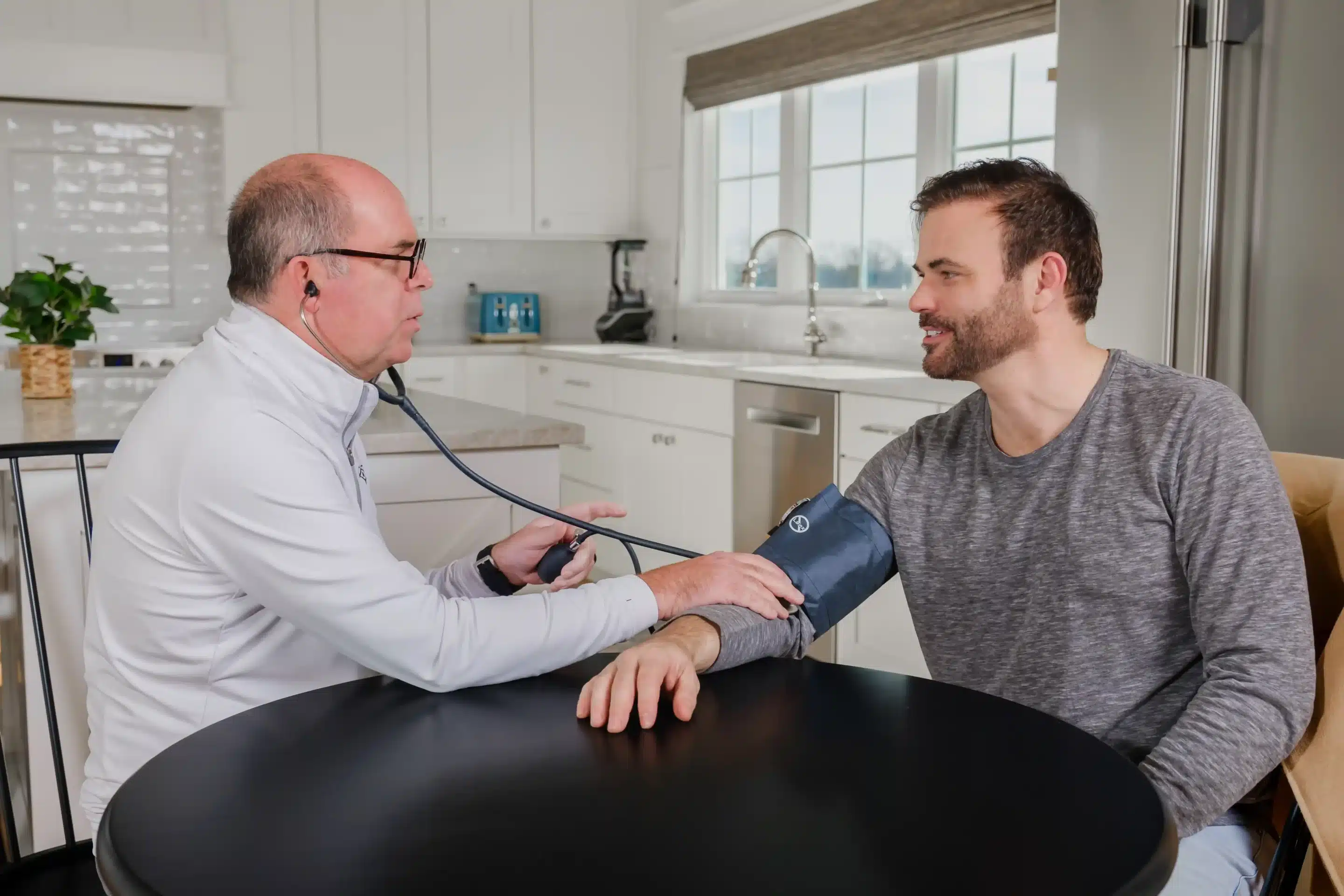

Written by Stu Jones, PA/MPH
Senior VP of Clinical Services, Medical House Calls
Adapted from a health column originally published in the Williamson Herald
Flu season has hit Tennessee hard this year. Many families are dealing with lingering symptoms, missed work and school, and a general sense that this strain feels more aggressive than usual. If you haven’t had the flu yourself, chances are someone close to you has.
According to national health data, millions of flu cases have already been reported across the U.S., and activity often remains elevated well into spring. In Tennessee specifically, flu levels have ranked among the highest in the country this season. Because influenza viruses mutate frequently, immunity from previous years doesn’t always offer full protection—and recovery can take longer than expected.
The good news: there are proven ways to reduce your risk, recognize symptoms early, and recover more efficiently if you do get sick.
Why the Flu Can Feel So Debilitating
Unlike a common cold, the flu can leave you feeling completely drained. Fever, body aches, fatigue, congestion, and headaches can linger for days—or even weeks—after the infection has passed. Even otherwise healthy adults may struggle to return to their normal routine quickly.
That’s why prevention, early diagnosis, and supportive treatment are so important during peak flu season.
How to Reduce Your Risk of Getting the Flu
Being proactive with your health is one of the best defenses against illness.
Key prevention strategies include:
- Annual flu vaccination: While not 100% effective, the flu shot significantly reduces your risk of severe illness and complications. It’s especially recommended for pregnant women, children, older adults, healthcare workers, and individuals with chronic conditions such as heart disease, lung disease, or diabetes.
- Consistent primary care: Having an established relationship with a healthcare provider allows for regular checkups, preventive screenings, and a clearer understanding of your health history.
- Daily immune support: Simple habits—getting adequate sleep, staying hydrated, eating well, and dressing appropriately for colder weather—can make a meaningful difference.
- Exposure precautions: Frequent handwashing and limiting close contact with sick individuals can help reduce transmission during peak flu months.
Small, consistent actions can go a long way in keeping your immune system resilient.
Early Flu Symptoms You Shouldn’t Ignore
If you begin feeling unwell, pay attention to early warning signs such as:
- Sudden fatigue or weakness
- Fever or chills
- Body aches or headaches
- Sore throat or congestion
- Nausea or decreased appetite
Seeking care early can significantly change the course of the illness.
Why the First 48 Hours Matter
Flu treatment is most effective when started early. Antiviral medications work best when prescribed within the first 48 hours of symptom onset and can help shorten the duration of illness while reducing severity.
Same-day medical evaluations can be especially helpful for patients whose symptoms progress quickly or who are at higher risk for complications.
Supportive Flu Treatment at Home
In addition to prescription treatment when appropriate, supportive care plays a critical role in recovery.
- Hydration and nutrient support: IV therapy can help replenish fluids and deliver nutrients directly into the bloodstream, supporting faster recovery and easing symptoms like headaches, nausea, and fatigue.
- Symptom management: Over-the-counter medications may help relieve cough, congestion, or discomfort when used correctly. In some cases, additional therapies may be recommended based on individual symptoms.
- Rest and recovery: One of the most important steps is allowing your body the time it needs to heal. Pushing yourself too quickly can prolong symptoms.
Always consult a medical provider before adding new medications or therapies to your recovery plan.
When to Seek Medical Care
If symptoms worsen, persist longer than expected, or interfere with daily activities, it’s important to consult a healthcare professional. Ongoing communication with a trusted provider ensures your treatment plan evolves as your condition changes.
Get Flu Care Without Leaving Home
Medical House Calls provides comprehensive, at-home flu care for individuals and families—without the hassle of waiting rooms or urgent care lines.
We offer:
- Same-day and scheduled home visits
- In-home flu evaluations and treatment
- IV therapy for hydration and recovery
- Primary care services available 24/7
Appointments are available seven days a week from 7 a.m. to 8 p.m., with around-the-clock primary care support.